
eSIM vs roaming vs local SIM: which is best for your trip?
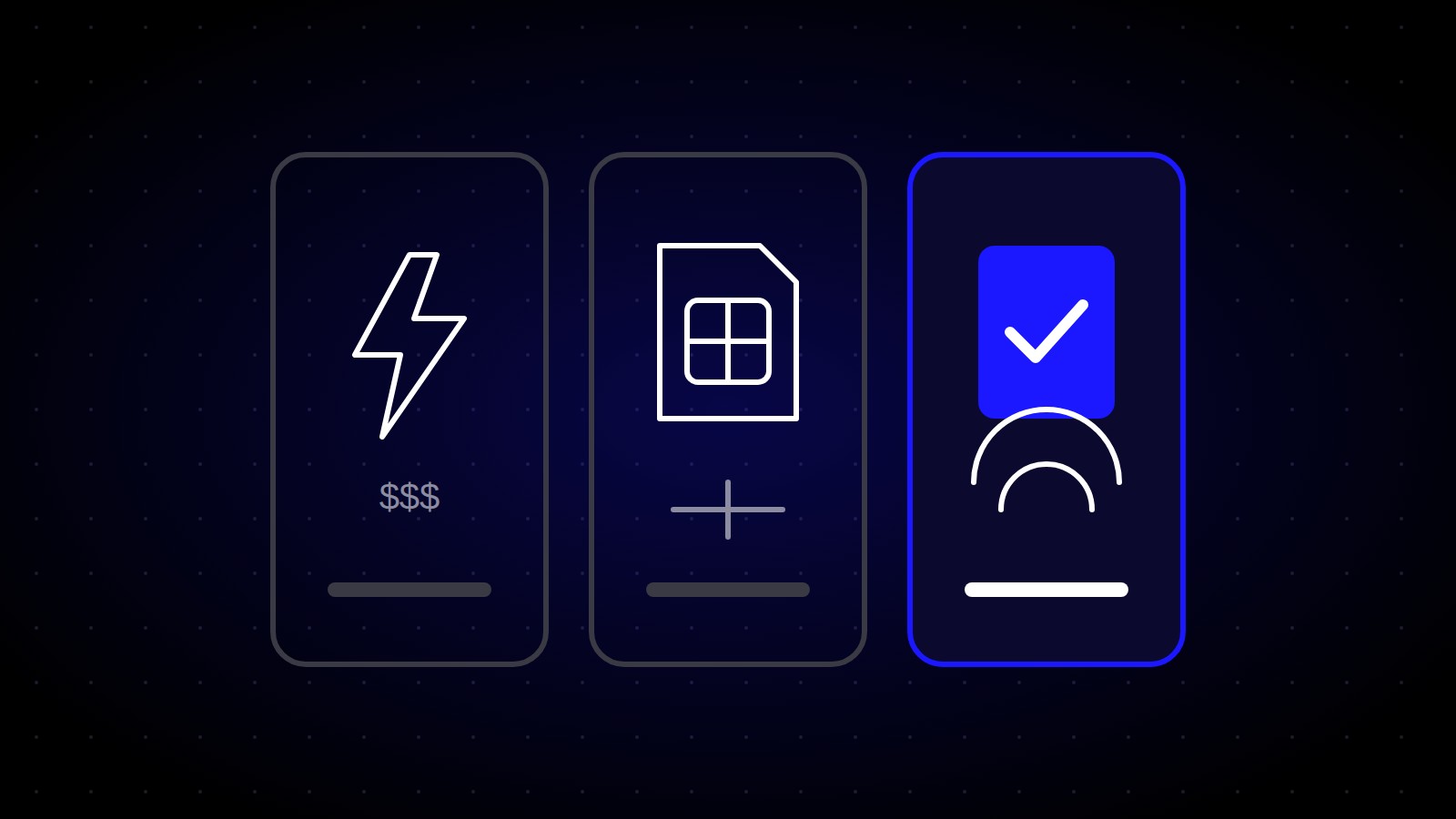
When you travel, there are three main ways to stay online: use your home network's roaming, buy a local SIM when you land, or install a travel eSIM before you go. Each has its place. Here's how they compare.
Roaming with your home network
How it works: you keep using your normal SIM, and your network charges you for using a partner network abroad.
- Good for: very short trips, or if your plan already includes free roaming in your destination.
- Watch out for: daily fees or high per-MB prices outside included zones. Bills can add up fast, especially with maps, video and photo backups.
A local SIM card
How it works: you buy a physical SIM from a shop or kiosk in your destination.
- Good for: long stays in one country, or if you need a local phone number.
- Watch out for: queues at the airport, shops that are closed when you land, ID requirements, and swapping out your home SIM, which means you can miss calls and bank texts.
A travel eSIM
How it works: you buy a data plan online and install it on your phone before you travel.
- Good for: most trips. You land connected, pay a fixed price up front and keep your home SIM in the phone.
- Watch out for: you need a phone that supports eSIM and is unlocked. Most travel eSIMs are data-only, so for a local number you'd use apps like WhatsApp instead.
Quick comparison
- Set up before you fly: eSIM ✓ · Roaming ✓ · Local SIM ✗
- Fixed price up front: eSIM ✓ · Roaming depends on your plan · Local SIM ✓
- Keep your home number active: eSIM ✓ · Roaming ✓ · Local SIM only on dual-SIM phones
- No shop visit or ID needed: eSIM ✓ · Roaming ✓ · Local SIM ✗
- Multi-country trips: eSIM ✓ (regional plans) · Roaming ✓ · Local SIM needs a new card per country
Our take
For most trips, a travel eSIM gives you the best mix of price and convenience. You get local-style rates without the airport queue, and your home number keeps working for calls and codes.
Find an eSIM for your destination, or check your phone first.